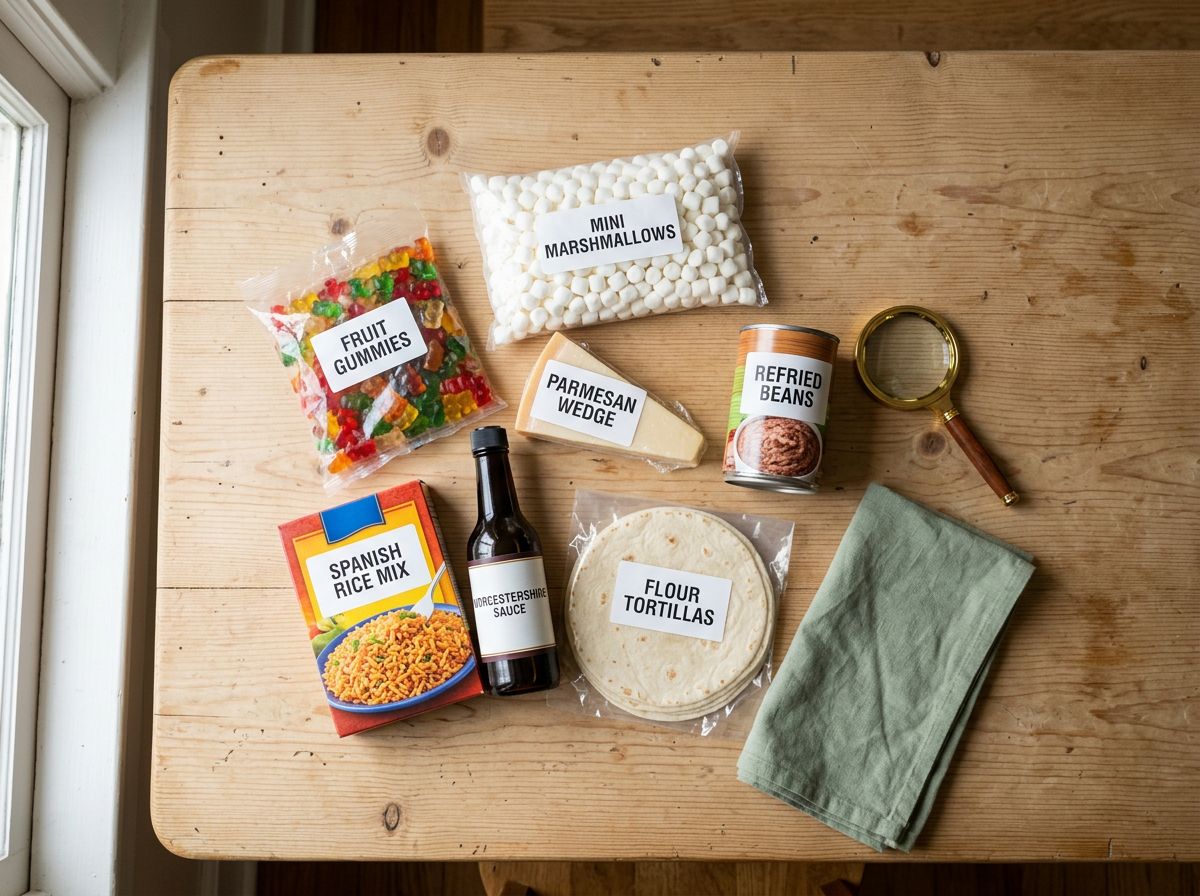
Skipping meat is the easy part. The tricky part is the stuff that doesn’t look like meat at all. Gummy snacks, marshmallows, some cheeses, a bottle of salad dressing. A surprising number of everyday foods have animal ingredients tucked into the label.
You don’t need to become a food scientist. You just need to know a handful of words to look for.
First, ask your kid how strict they want to be
Vegetarians don’t all draw the line in the same place. Some skip anything that came from an animal’s body, down to the gelatin in a gummy bear. Others just don’t eat meat and don’t worry about the fine print. Neither is wrong. Have a quick conversation about it, so you’re both looking for the same things.
The ingredients to watch for
- Gelatin. Made from animal bones and skin. Found in gummy candy, marshmallows, Jell-O, some yogurts, and some frosted cereals. Look for “gelatin-free” or pectin-based versions.
- Animal rennet. Used to make many cheeses, including traditional parmesan. Labels often just say “enzymes.” Look for cheeses labeled vegetarian or made with microbial or vegetable rennet.
- Lard. Pork fat. It shows up in some refried beans, flour tortillas, pie crusts, and bakery items. Many brands use vegetable oil instead, so it’s worth comparing labels.
- Chicken or beef broth. Common in soups, rice mixes, stuffing, and restaurant sides. Check boxed rice and soup labels carefully.
- Anchovies. A traditional ingredient in Worcestershire sauce and Caesar dressing. Vegetarian versions of both are easy to find.
- Carmine. A red coloring made from insects, sometimes listed as cochineal. It’s used in some red candies, drinks, and yogurts. Some vegetarians avoid it, others don’t.
- “Natural flavors.” These can come from plants or animals, and the label usually doesn’t say which. If it matters to your kid, look for a vegetarian or vegan label, or contact the company.
Shortcuts that save time
- Look for a certification. A “vegetarian” or “certified vegan” symbol means someone else already read the fine print.
- Check once, then trust the brand. When you find a brand of tortillas, cheese, or gummies that works, write it down. Most of your shopping becomes automatic.
- Re-check now and then. Companies change recipes, so take a quick look at the label every few months.
- Let your kid be the detective. Older kids can read labels themselves. It builds the habit they’ll need when they’re eating on their own.
Don’t let it take over
It’s easy to get overwhelmed and start feeling like everything is off limits. It isn’t. Most of what your family already eats is fine. A few label checks and a short list of trusted brands will cover 95 percent of it. The rest is a judgment call your kid gets to make.
The holidays are a good time to put this to use. Our posts on handling Thanksgiving with a vegetarian kid and vegetarian school lunches both come back to the same few ingredients.
Want the whole plan?
Everything I learned the hard way is in my book, My Kid Went Vegetarian, Now What? It covers what your kid actually needs to stay healthy, the Base and Branch method, school lunches, grandparents, and 40 family-friendly recipes.
Get a Free Week of Base and Branch Dinners
Seven weeknight dinners that split into plant-based and traditional, plus a shopping list for the whole week. Free, straight to your inbox.